Organic vs Paid Traffic: Pros, Cons and How to Combine Them
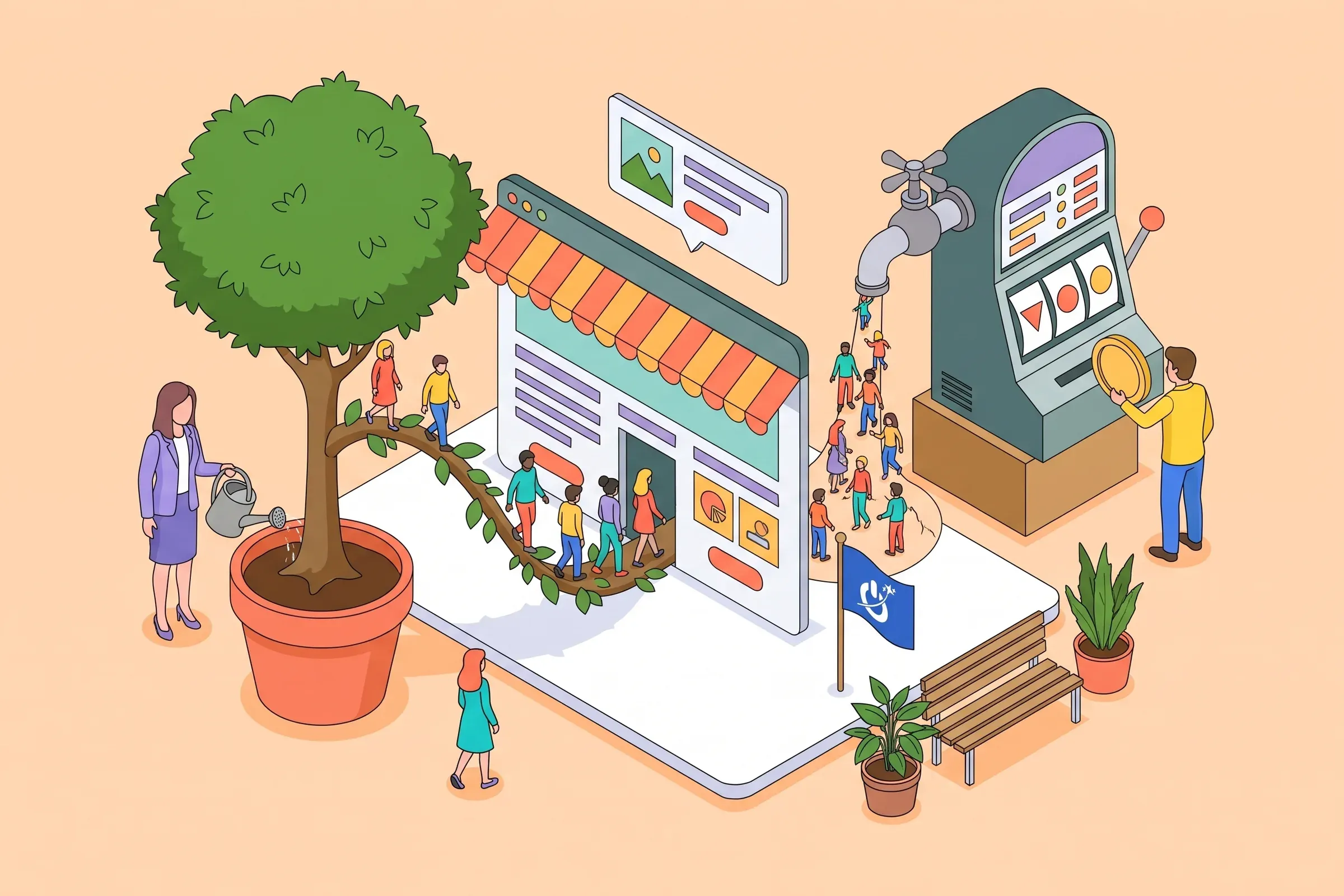
Organic traffic is made up of visitors who reach your site from the non-sponsored results of search engines. Paid traffic comes from ads: Google Ads, Microsoft Ads, social media advertising. Both have a place in an acquisition strategy, but they do not cost the same, they do not deliver at the same pace and they do not leave the same assets behind.
This guide defines organic search traffic, compares organic vs paid traffic criterion by criterion, covers the pros and cons of each, explains how to measure them in Google Analytics 4 and how to combine them. A calculator estimates what your organic traffic is worth in ad spend.
At a glance
- Organic traffic comes from natural search results; paid traffic comes from ads.
- Paid traffic delivers results within hours but stops with the budget.
- Organic traffic takes months of effort, then keeps coming without a cost per click.
- In GA4, they map to the Organic Search and Paid Search channels.
- Most businesses combine both: paid to test and accelerate, organic to last.
What is organic traffic?
Organic traffic refers to visits from the natural results of a search engine such as Google or Bing. A searcher types a query, clicks a link that is not labeled “Sponsored” and lands on your site. You do not pay for that click: your page is there because the engine considers it relevant.
It is also called natural or SEO traffic, since search engine optimization is what earns it: useful content, a technically sound site, a good user experience and quality links. Some tools also use “organic” for social media: a non-sponsored LinkedIn post generates “Organic Social” traffic.
What is paid traffic?
Paid traffic covers visits obtained by buying visibility. On search engines, that means Google Ads or Microsoft Ads, shown above or below natural results and usually billed per click (CPC). On social networks, it means Meta, LinkedIn or TikTok ads. Search advertising is often called PPC or SEM.
Organic vs paid traffic: side by side
| Criterion | Organic traffic (SEO) | Paid traffic (PPC, Ads) |
|---|---|---|
| Cost per click | None, but time and content | Paid for every click |
| Time to first results | Several weeks to several months | A few hours |
| Durability | Continues after the effort | Stops with the budget |
| Message control | Google may rewrite title and snippet | Fully controlled ads |
| Targeting | Through the queries you target | Precise: location, time, device, audience |
| User trust | Often higher | Labeled “Sponsored” |
| Main risk | Google updates, competition | Rising bids, poorly managed budget |
Pros and cons of paid traffic
Paid traffic is fast (ads can run the same day), precisely targeted (location, schedule, device, audience) and fully measurable (cost per click, cost per conversion, return on ad spend). It is ideal for testing whether an offer or a landing page converts.
On the other hand, every click is paid for and traffic stops when the campaign stops. In competitive sectors, cost per click can reach several dollars or more, and a poorly configured campaign (broad keywords, no negative keywords, weak conversion tracking) burns through the budget quickly. Some searchers also skip sponsored links.
Need fast, measurable results? Explore our PPC management services
Pros and cons of organic traffic
Once a page ranks well, every additional visit costs nothing. Good content can bring traffic for years, strong rankings build credibility, and a well-optimized site captures hundreds of long-tail queries that would be impossible to buy one by one. Solid content is also what AI answer engines tend to cite.
The trade-offs: it usually takes several months to see significant results, more for a new site or a competitive market. No ranking is guaranteed, Google keeps changing its algorithms and results pages, and the work has a real, if indirect, cost: content, technical fixes, internal time or an agency.
What is your organic traffic worth?
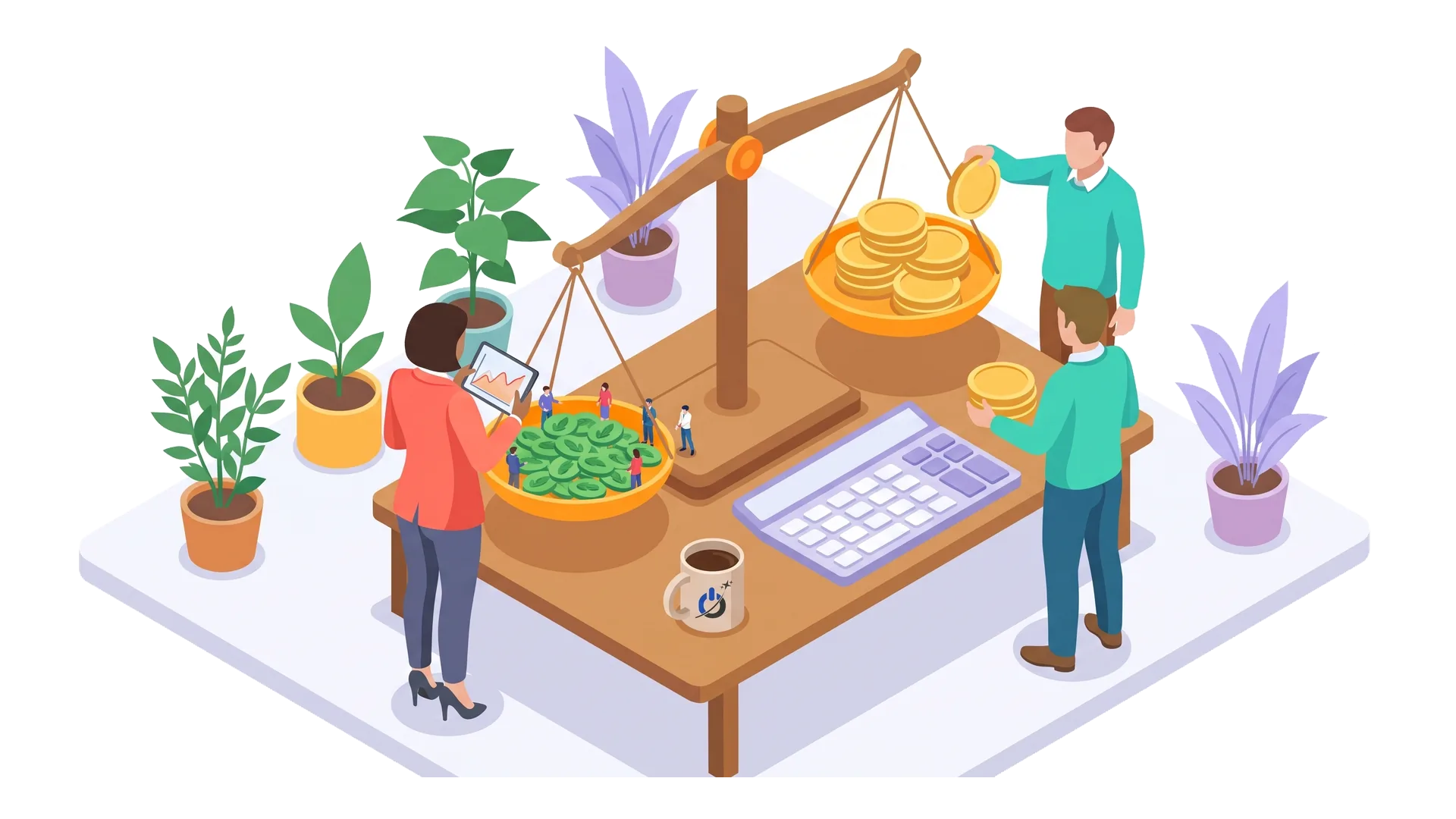
A simple way to measure the value of SEO is to calculate how much you would pay in ads for the same visits. Multiply your monthly organic clicks (Search Console Performance report) by the average cost per click of your keywords (Google Keyword Planner or a tool such as Semrush).
This is only an estimate: not every organic click has the same commercial value, and some come from brand searches you would get anyway. But it gives a useful order of magnitude when comparing SEO investment with ad budgets.
Measuring organic and paid traffic in GA4
Google Analytics 4 groups visits by channel. The Traffic acquisition report shows sessions, engagement and conversions for each.
| Channel (GA4) | Source | Organic or paid? |
|---|---|---|
| Organic Search | Natural results from Google, Bing… | Organic |
| Paid Search | Google Ads, Microsoft Ads | Paid |
| Organic Social | Non-sponsored posts | Organic |
| Paid Social | Meta, LinkedIn, TikTok ads… | Paid |
| Referral | Links from other sites | Usually organic |
| Direct | Typed URL, bookmarks, unknown source | Neither |
| Newsletters, campaigns | Owned |
Two precautions: link Google Ads to GA4 so paid clicks are attributed correctly, and add UTM parameters to non-Google campaigns (social, email). Otherwise part of your paid traffic ends up in Direct or Referral. Visits from ChatGPT, Perplexity or Gemini usually appear in Referral, with the tool’s domain as the source.
How to combine organic and paid traffic
Pitting one against the other is rarely the right approach. Strategies that work combine them:
- At launch, paid brings visits and data while SEO is being built.
- To test, a short campaign reveals which keywords convert; SEO then focuses on those.
- To fill gaps, ads cover queries where you do not rank yet, then the budget shrinks as organic takes over.
- For peak periods (sales, launches, seasons), paid amplifies established organic traffic.
- For remarketing, ads bring back visitors who first arrived through organic search.
To decide based on your budget, timeline and competition, see our guide Google Ads vs SEO.
Common mistakes
- Relying only on paid traffic and depending on a permanent budget.
- Expecting SEO results in three weeks and giving up too early.
- Tracking conversions poorly and comparing channels on visit volume alone.
- Sending paid traffic to the home page instead of a page that matches the ad.
Conclusion: fast or lasting, why choose?
Paid traffic buys speed and control; organic traffic builds an asset that works without a cost per click. The first stops with the budget, the second takes patience but compounds. For most businesses, the right answer is a mix that shifts over time: more paid at the start, more organic as SEO pays off. Learn more about the basics in our beginner’s guide to Google SEO.
Our advice: estimate the value of your organic traffic with the calculator above, compare it with your ad budget and set a target share of organic traffic for the next 12 months.
Frequently asked questions about organic and paid traffic
What is the difference between organic and paid traffic?
Organic traffic comes from natural search results, with no cost per click. Paid traffic comes from ads such as Google Ads, usually billed per click. The first is built through SEO and lasts; the second is immediate but stops with the budget.
Should a new ecommerce site invest in SEO or Google Ads?
Usually both. Google Ads brings sales and data in the first weeks while SEO is being set up. Once organic traffic is established, the ad budget can focus on profitable products and peak periods.
How long does it take to get organic traffic?
Expect several months before significant results, depending on the site’s age, competition and resources. A new site in a competitive market takes longer than an established site adding content close to its strengths.
How do you know if a Google Ads campaign is profitable?
Track conversions (sales, quote requests) in Google Ads and GA4, then compare cost per conversion with your margin. ROAS, the ratio of revenue to ad spend, must exceed your break-even point, which depends on your margins.
Do Google’s AI Overviews change the balance between organic and paid traffic?
They reduce clicks on some informational queries, where the answer appears directly in Google. Organic traffic remains important for commercial and comparison queries, and quality content can be cited in those answers. Ads stay visible, as they can also appear around these blocks.
Is organic traffic really free?
No. There is no cost per click, but it requires investment: content, technical optimization, internal time or an agency. The difference is that this investment builds a lasting asset, while ad spend is consumed as you go.