Is SEO Worth It? How to Calculate SEO ROI (With a Real Case) in 2026

This guide answers the question is SEO worth it? with numbers: how to calculate SEO ROI, how long it takes to pay off, how it compares with paid search, what AI answers change in 2026, and which model to choose between an SEO retainer, a fixed project or pay for performance. We also share a real case from one of our clients.
At a glance
- SEO pays off over time: once a page ranks well, each additional visit costs almost nothing.
- It usually takes 6 to 12 months to break even on competitive queries, less in niches.
- The first Google result gets 27.6% of clicks on average, and the second page less than 1%.
- For one of our PrestaShop clients, SEO kept generating orders after the ads were stopped, while the ads generated none.
- AI answers reduce clicks on informational queries: in 2026, SEO ROI depends on purchase-intent queries and visibility in AI tools.
Is SEO worth it? The short answer
Yes, in the vast majority of cases, on three conditions: target keywords that bring in real customers, give results time to come (often 6 to 12 months) and measure the revenue generated, not just the traffic.
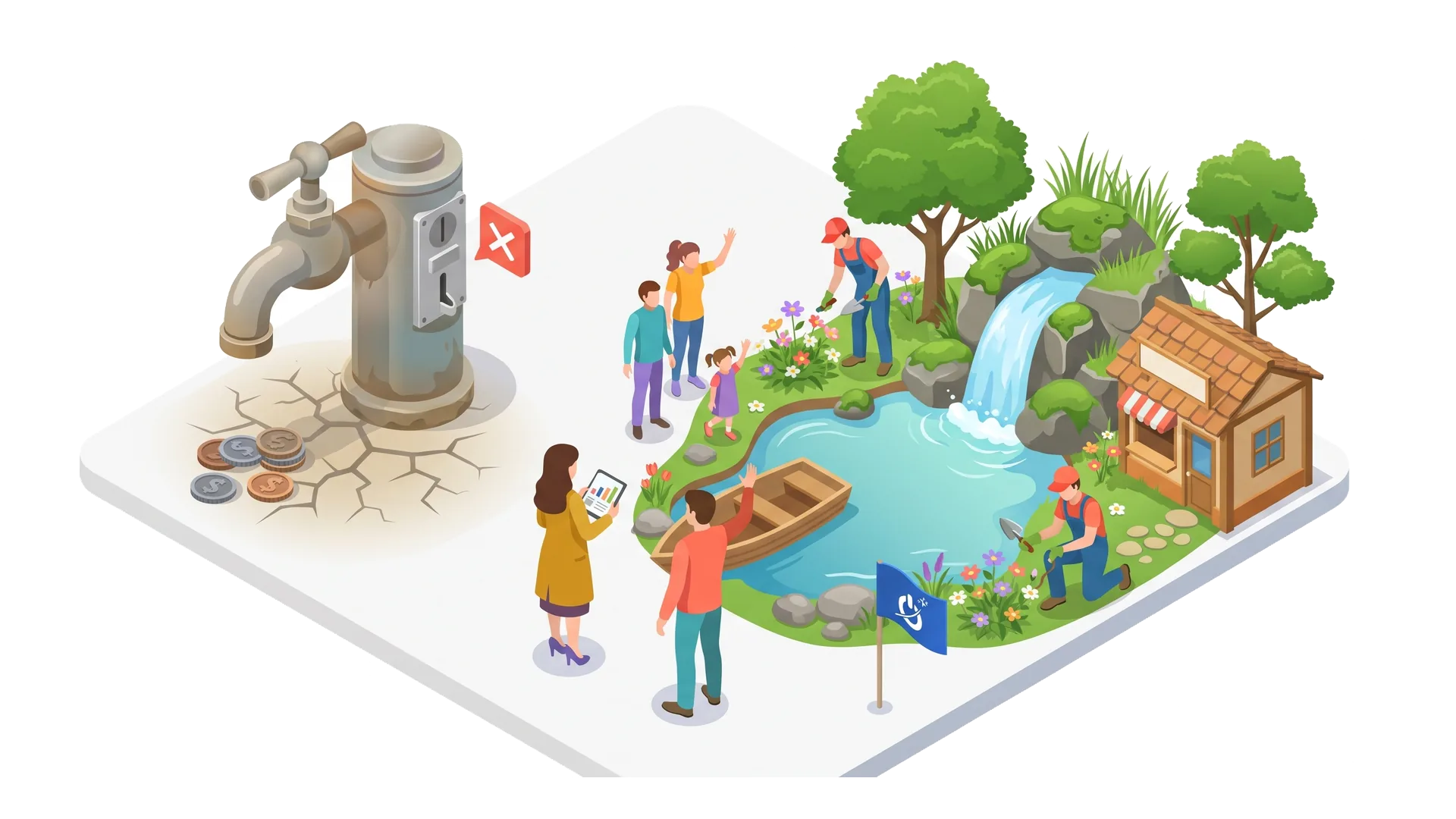
The reason is structural. With ads, every visit is paid for. With SEO, you invest to build a position; once it is earned, visits keep coming without paying for each click. The cost per visit therefore falls over time, while with ads it stays flat or even rises with competition.
What is SEO?
Search engine optimization (SEO) covers the work that improves a website’s position in unpaid search results: technical (speed, structure, indexing), content (pages that answer searches) and authority (links and mentions from other websites).
Unlike advertising, it cannot be bought: it is built. That is precisely what makes it a lasting business asset.
Why SEO pays off
Traffic that is already looking for what you sell
SEO is inbound marketing: you do not chase the customer, they find you at the moment they express a need. Someone searching “PrestaShop agency Toronto” or “emergency boiler repair” is much closer to buying than someone scrolling past an ad on social media.
The top positions get most of the clicks
A Backlinko study of 4 million Google results found that the first organic result gets 27.6% of clicks on average, and only 0.63% of searchers click on a result from the second page. Moving from page 2 to the top 3 for a query that matters transforms traffic.
A compounding effect
Each well-ranked page keeps working for months, sometimes years. Content adds up, the website’s authority grows and new pages rank faster than the first ones. This snowball effect is what lowers acquisition costs over time.
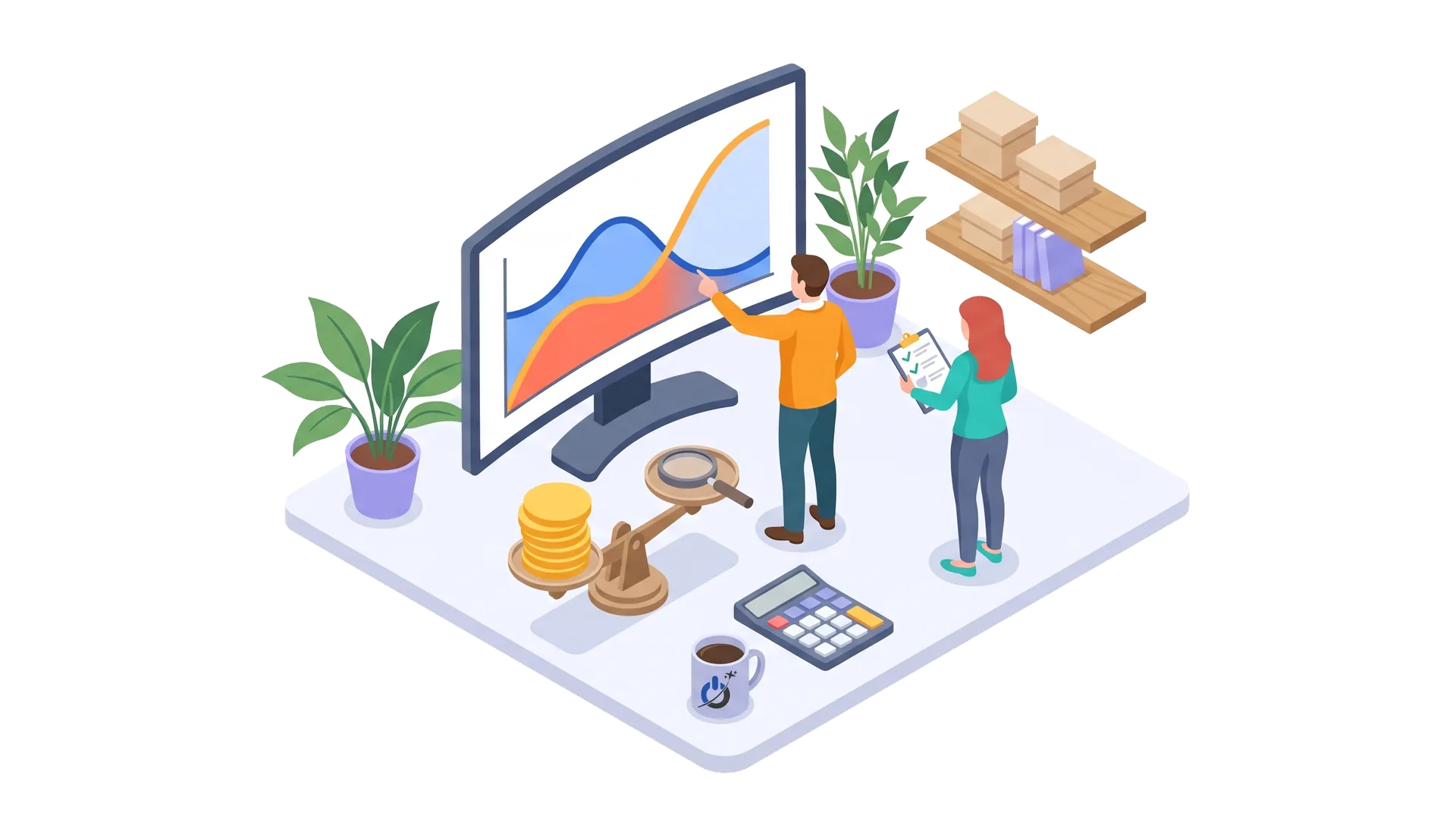
SEO vs paid search: comparing costs
| Criterion | Search engine optimization (SEO) | Paid search (PPC) |
|---|---|---|
| Time to first results | several months | immediate |
| Cost per visit | falls over time | stable or rising with competition |
| After spending stops | traffic continues, then slowly erodes | traffic stops |
| Searcher trust | results seen as more neutral | ads labeled as such |
| Control | depends on the algorithm | keywords, budget and schedule under control |
| Return | strong over 12 to 24 months | measurable right away, capped by cost per click |
The two are not opposites. Paid search delivers immediate results and lets you test keywords; SEO takes over and lowers the overall acquisition cost. To weigh them for your situation, see our comparison of organic vs paid traffic.
How to calculate SEO ROI
SEO return on investment is calculated like any other: what it brings in, minus what it costs, divided by what it costs.
A deliberately simple, hypothetical example to illustrate the logic over two years:
| Hypothetical example | Year 1 | Year 2 |
|---|---|---|
| SEO budget | $12,000 | $12,000 |
| Organic visits over the year | 6,000 | 24,000 |
| Visitor-to-customer rate | 1% | 1% |
| New customers | 60 | 240 |
| Average margin per customer | $150 | $150 |
| Margin generated | $9,000 | $36,000 |
| Return on investment | −25% | +200% |
The first year is often barely profitable, or even in the red: you are building. In the second year, investment continues but accumulated traffic makes the return take off. That is why SEO should be judged over at least 12 to 24 months. To estimate your starting point, begin with an audit from our SEO services.
To estimate your potential, you first need to know where you stand. Start with an SEO audit
Real case: SEO and ads on a PrestaShop store
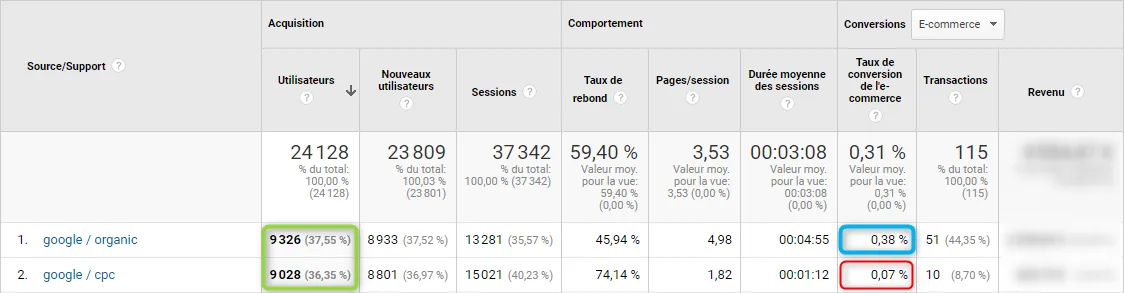
Here are figures from the account of one of our clients, an online store running on PrestaShop. Over six months, with comparable traffic volumes, visitors from organic search generated about five times more conversions than those from Google Ads, and viewed 4.98 pages per visit on average versus 1.82.
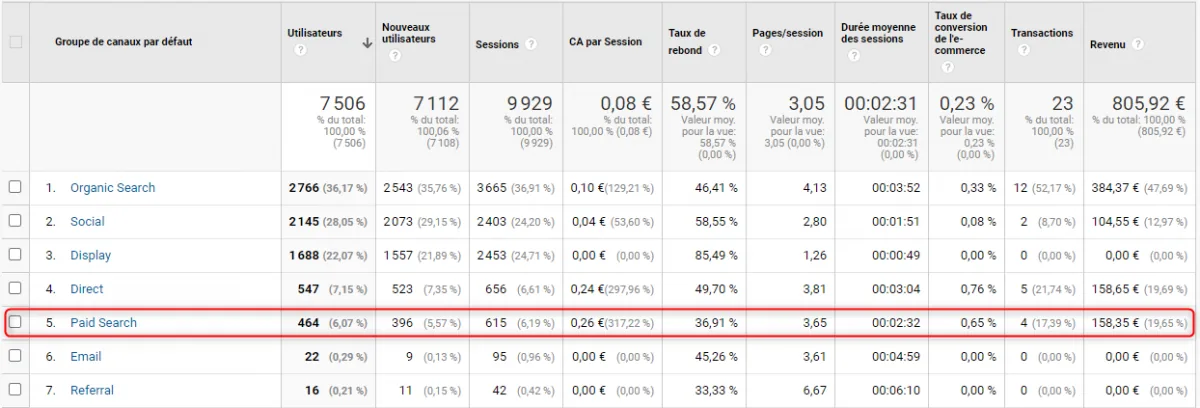
In December 2020, during a Google Ads campaign, the store recorded 4 orders from ads and 12 from organic results.
In January 2021, the ad campaign was stopped. SEO kept generating 11 orders; the ads, of course, none.
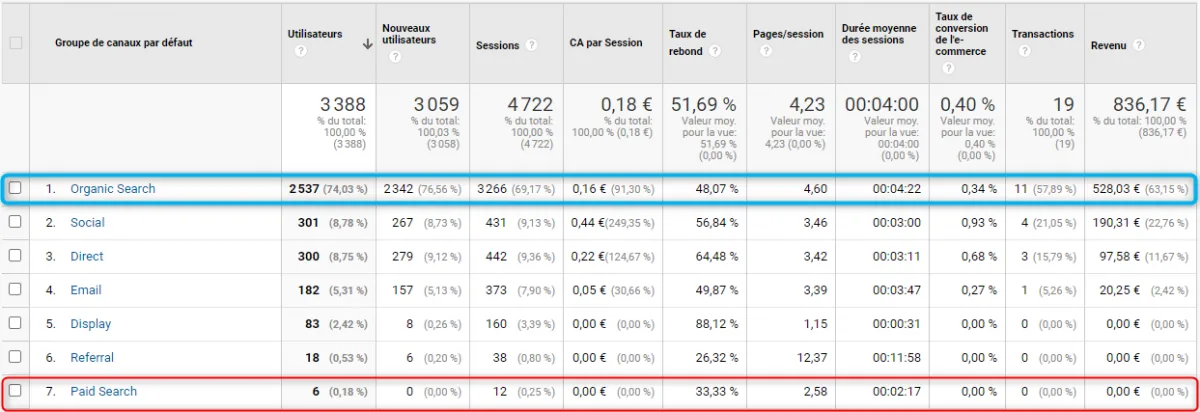
This case does not prove that advertising is useless: it played its part in launching the store. It does show the different nature of the two channels: one stops with the budget, the other keeps producing.
How long does SEO take to pay off?
There is no universal timeline. Some benchmarks:
- Niche or low-competition local queries: first results in 2 to 4 months.
- Moderately competitive market: 6 to 12 months to a positive return.
- Highly contested queries (insurance, real estate, travel): 12 to 24 months, sometimes more.
The starting point matters as much as the market. An established website with content and links progresses faster than a new one. Conversely, a poorly prepared redesign can cost rankings.
SEO retainer, project or pay for performance?
Three models dominate the market. The right one depends on your needs and your ability to follow the work being done.
| Model | How it works | Who it suits | Watch out for |
|---|---|---|---|
| Monthly retainer | ongoing work: technical, content, links, reporting | businesses aiming for steady growth | require an action plan and monthly report |
| Fixed project | audit, SEO migration, a batch of content | one-off needs, in-house team afterwards | results erode without follow-up |
| Pay for performance | fees tied to rankings or traffic | rarely suitable | risk of easy keywords with no business value |
Our advice: be wary of “guaranteed first place” promises. Nobody controls Google’s algorithm, and pay-for-results offers sometimes push toward easy keywords with no commercial value. An SEO retainer only makes sense with a clear action plan and regular reporting on rankings, traffic and conversions.
What makes SEO unprofitable
- Chasing volume instead of intent: a high-volume but informational keyword can bring thousands of visitors who will never buy.
- Stopping too soon: quitting after three months means paying for construction without reaping the benefits.
- Ignoring conversion: a slow, unclear website with no call to action wastes the traffic gained.
- Measuring nothing: without conversion tracking by channel, there is no way to prove the return.
- Buying low-quality links: prohibited techniques risk a penalty that wipes out months of work.
Is SEO still worth it with AI?
It is a fair question. AI-generated answers in Google capture part of the clicks: an Ahrefs study published in February 2026 found that the presence of an AI Overview correlates with a 58% lower click-through rate for the top-ranking page on informational queries.
This changes how SEO pays off, not whether it does. Purchase or contact intent queries (“agency”, “price”, “quote”, “near me”) are less affected than definition questions. And AI assistants rely on the best-structured web pages to mention businesses: good SEO is also the foundation of visibility in ChatGPT or Gemini. Diversifying traffic sources is still wise: see how to drive traffic without SEO.
Can your SEO pay off?
In short
SEO is worth it when it targets keywords that bring in customers, is given 12 to 24 months and is measured on the revenue it generates. Its advantage is structural: an earned position keeps paying off without paying for each click, whereas advertising stops with the budget. In 2026, AI shifts some informational clicks, which makes targeting purchase intent and AI visibility even more important.
Frequently asked questions about SEO ROI
Is SEO worth it for a small business?
Generally yes, especially for a small business selling locally or in a niche, where competition is lower. SEO brings in leads without paying for each click. You do need to target purchase-related keywords and accept a delay of several months before the first results.
How do I calculate SEO ROI?
Measure the revenue or margin generated by organic traffic (sales, converted quote requests), subtract the cost of SEO (agency, content, tools), then divide by that cost. Track the calculation over 12 to 24 months, because SEO has a compounding effect.
How long does it take for SEO to pay off?
Usually 6 to 12 months in a moderately competitive market, 2 to 4 months in a niche or for local queries, and 12 to 24 months for highly contested queries. The age and condition of the website at the start also matter a lot.
What is an SEO retainer?
It is an ongoing monthly service: technical improvements, new and updated content, link building and reporting. It suits businesses that want steady growth. Insist on an action plan and regular reporting on rankings, traffic and conversions.
Should I invest in SEO or paid search?
The two complement each other. Paid search delivers immediate results and lets you test keywords; SEO costs less per visit over time and keeps producing after spending stops. Many businesses start with both, then scale back ads once SEO takes off.
Is SEO still worth it with ChatGPT and AI answers?
Yes, but differently. AI answers reduce clicks on simple questions, less so on purchase or contact searches. AI assistants also rely on well-ranked pages to mention businesses: SEO remains the foundation of visibility in these tools.