How to Drive Traffic to Your Website Without SEO: 9 Channels for 2026
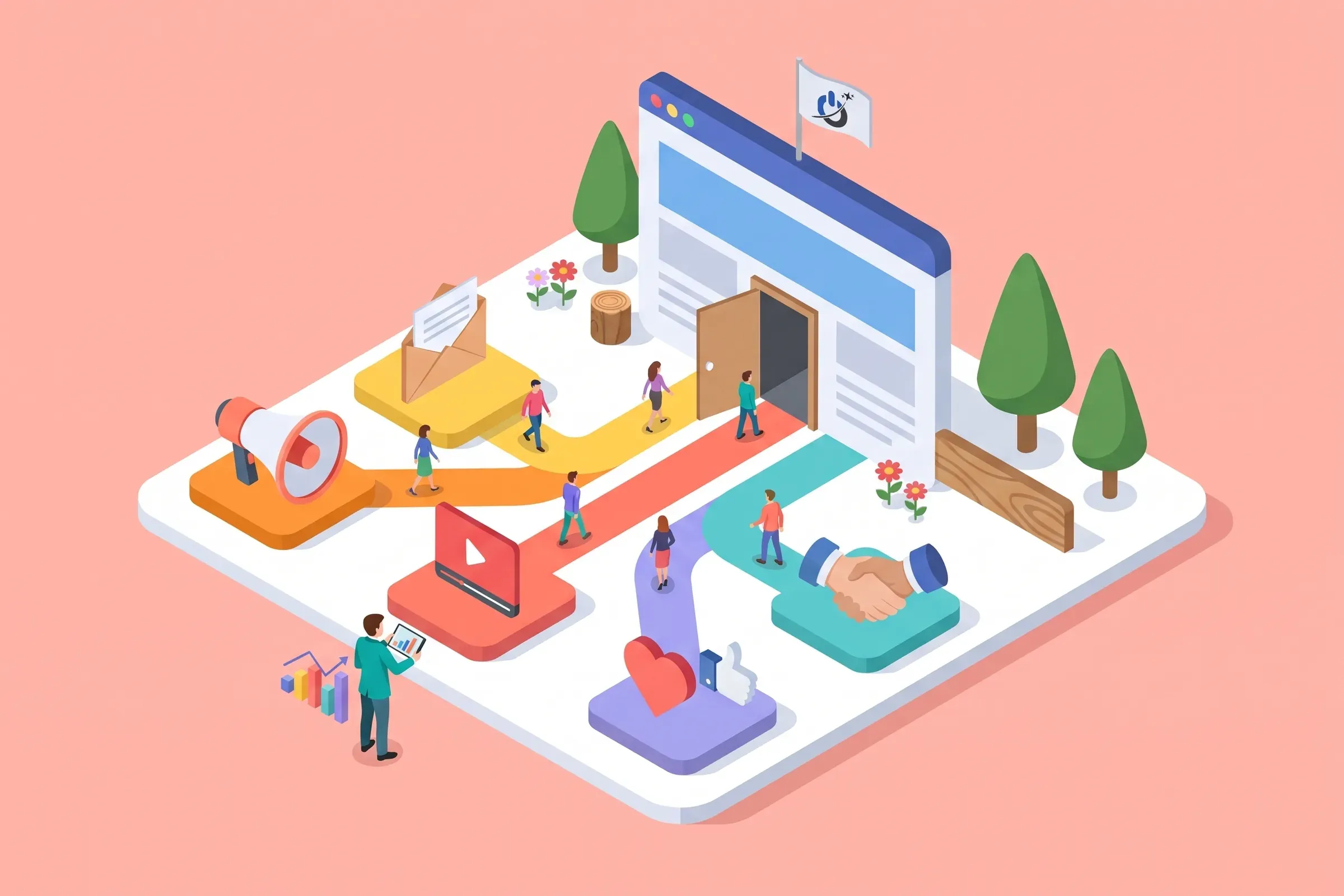
This guide covers 9 ways to drive traffic to your website without relying on search engine optimization: advertising, social media, email, video, guest posts, partnerships, communities, marketplaces and offline actions. For each: what it delivers, what it costs and who it suits. Website traffic rarely comes from a single channel; we will also look at how to combine them and measure what actually works.
At a glance
- Driving traffic without SEO means diversifying your sources: ads, social media, email, video, partnerships and communities.
- Advertising (Google Ads, social ads) brings visitors immediately, but traffic stops when the budget does.
- Email and social media build an audience you can reach with every new offer or article.
- Guest posts, partnerships and communities bring qualified, lasting traffic, plus brand awareness.
- Measure every channel with UTM links and Google Analytics 4, on conversions rather than visits alone.
Why not put everything on SEO
Search engine optimization remains the most profitable traffic source over time. We recommend it to almost every client, and our guide to increasing website traffic with SEO covers the method. But it has three limits.
It is slow: a new website often takes several months to rank for competitive queries. It is uncertain: a Google update can cost positions overnight. And it is changing: AI-generated answers in search engines capture part of the clicks on simple questions.
Hence the value of several traffic sources. A website that depends on Google for 90% of its visits is fragile; one fed by search, a newsletter, social media and partners is far more resilient.
The 9 channels compared
| Channel | Time to results | Cost | Durability | Best for |
|---|---|---|---|---|
| Online advertising | immediate | ongoing budget | stops with the budget | launches, short-term offers |
| Social media | a few weeks | time, or ad budget | as long as you post | awareness, B2C, B2B on LinkedIn |
| Email and newsletter | immediate with an existing list | low | an audience you own | loyalty, return visits |
| Video | a few weeks | production | views over several years | tutorials, demos |
| Guest posts, press | a few weeks | time | lasting, links as a bonus | expertise, B2B |
| Partnerships, affiliates | variable | commission or exchange | lasting | online stores, complementary offers |
| Communities, forums | gradual | time | depends on your presence | niches, technical questions |
| Marketplaces, directories | fast | commission or subscription | as long as you are listed | products, local services |
| Offline actions | event-dependent | variable | one-off | trade shows, local retail |
1. Online advertising (search and social ads)
This is the fastest channel. Google Ads or Microsoft Ads appear on the searches you choose as soon as the campaign goes live. Ads on Meta (Facebook, Instagram), LinkedIn or TikTok target profiles instead: job title, interests, location.
The downside is well known: traffic stops as soon as the budget does. Advertising suits launching an offer, testing a message, covering a peak season or bridging the gap until SEO takes over. Our PPC management services help you set it up with controlled spending.
Retargeting deserves a special mention: it shows your ads to people who have already visited your website. It is often the most profitable form of advertising, provided you collect the cookie consent required in Europe and in some other markets.
Not sure which channel to start with? Our digital marketing team helps you choose
2. Social media
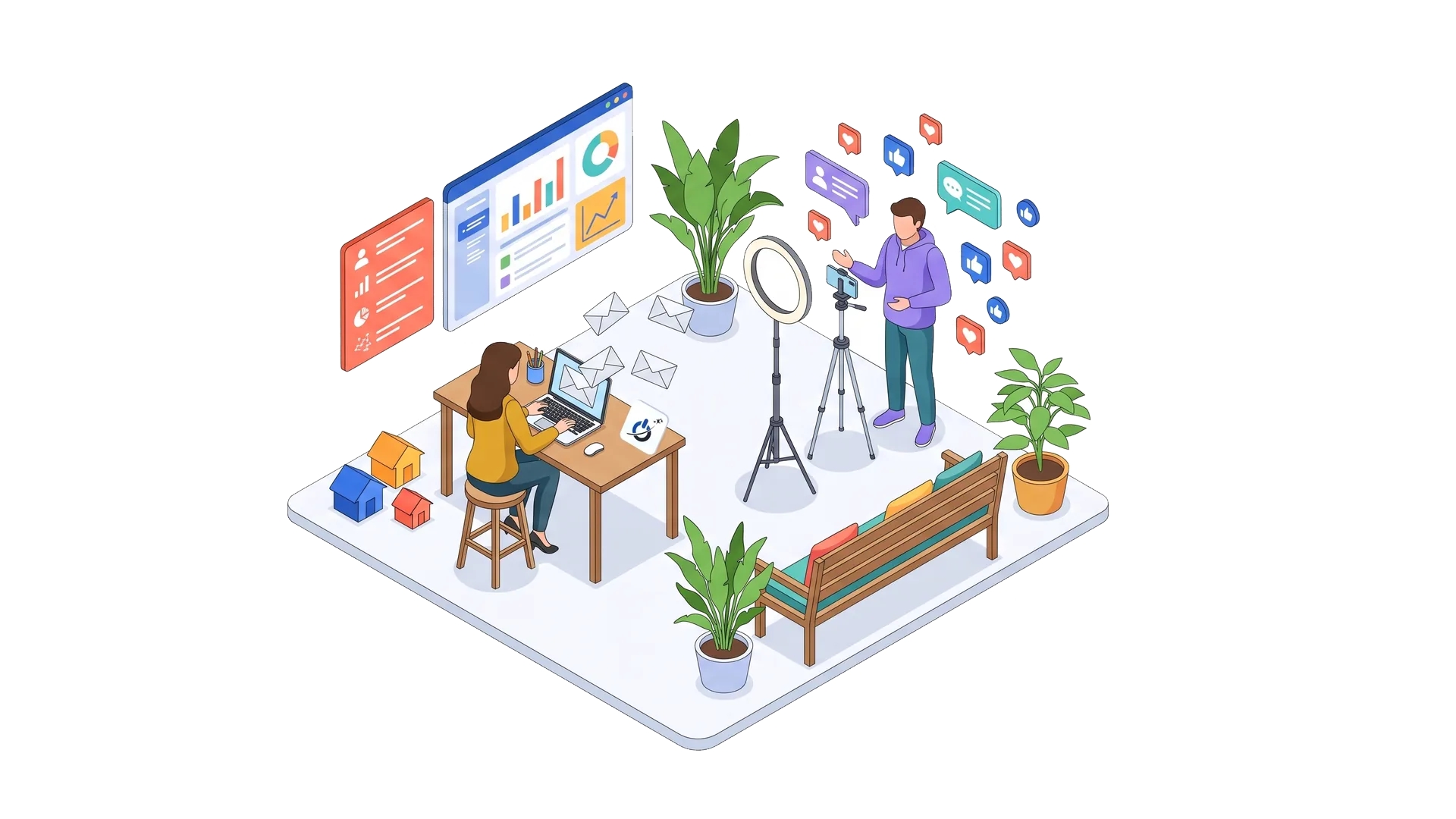
Social media is less about selling directly than about staying top of mind and bringing your audience to your website at the right time. Choose one or two networks where your customers are genuinely active rather than being half-present everywhere: LinkedIn for B2B, Instagram and TikTok for visual products and a younger audience, Facebook for local communities.
Organic reach for business pages is low on most platforms. The accounts of founders and employees, on LinkedIn in particular, often reach more people than the company page. Share useful content, show what happens behind the scenes, reply to comments: traffic follows engagement.
3. Email and newsletters
A subscriber list is an audience you own: no algorithm decides who sees your message. Every new article or offer can be sent to people who are already interested, making it one of the most reliable traffic sources.
Give people a reason to sign up (tips, a guide, an exclusive offer), send on a regular schedule and look after deliverability: our email deliverability guide explains the Gmail, Yahoo and Outlook rules. For an online store, automated emails (welcome, abandoned cart, follow-ups) drive highly qualified return traffic, as our cart abandonment guide shows.
4. Video
YouTube is many people’s second search reflex after Google, especially for tutorials, demos and comparisons. A well-titled video keeps getting views years after it is published, and every description can link to a page on your website.
Short formats (YouTube Shorts, Reels, TikTok) reach a wide audience but send less direct traffic. Webinars attract very qualified prospects, who leave their email address when they sign up.
5. Guest posts and press
Publishing an article on a recognized site in your industry, being interviewed by a trade publication or featured on a podcast exposes you to an existing audience. Interested readers click through to your website, and the links you earn also strengthen your SEO.
Aim for quality over quantity: sites close to your business, content that is genuinely useful to their readers. Google penalizes guest posts mass-produced to build links: guest posts should drive traffic to your website, not serve as a link scheme.
6. Partnerships and affiliates
Your partners already talk to your customers: an accountant for a business software vendor, an architect for a kitchen manufacturer, a distributor for a brand. A partner page, joint content, a co-hosted webinar or a reciprocal link brings targeted traffic and an implicit recommendation.
Affiliate marketing goes further: websites or creators earn a commission on every sale they send you. For an online store, it is a channel with no upfront financial risk.
7. Communities and forums
LinkedIn or Facebook groups, specialist forums, Reddit, Discord, professional communities: your future customers ask questions there. Answering with expertise, without pitching, builds credibility, and a link to a genuinely useful resource on your website is welcome. These discussions are also increasingly picked up by search engines and AI assistants.
8. Marketplaces and directories
A presence on Amazon, an industry marketplace, a comparison site or a recognized business directory gives visibility to buyers who are already searching. The challenge is to bring some of these visitors back to your own website: an insert in the parcel, an offer for direct customers, exclusive content.
9. Offline actions
Website traffic does not only start online. Trade shows, conferences, business cards, shop windows, packaging, vehicles: every medium can carry your web address or a QR code to a dedicated page. A specific landing page per medium shows what each one brings in.
How to combine these channels
To drive traffic to your website consistently, there is no need to launch everything at once. A simple method:
Measure every traffic source
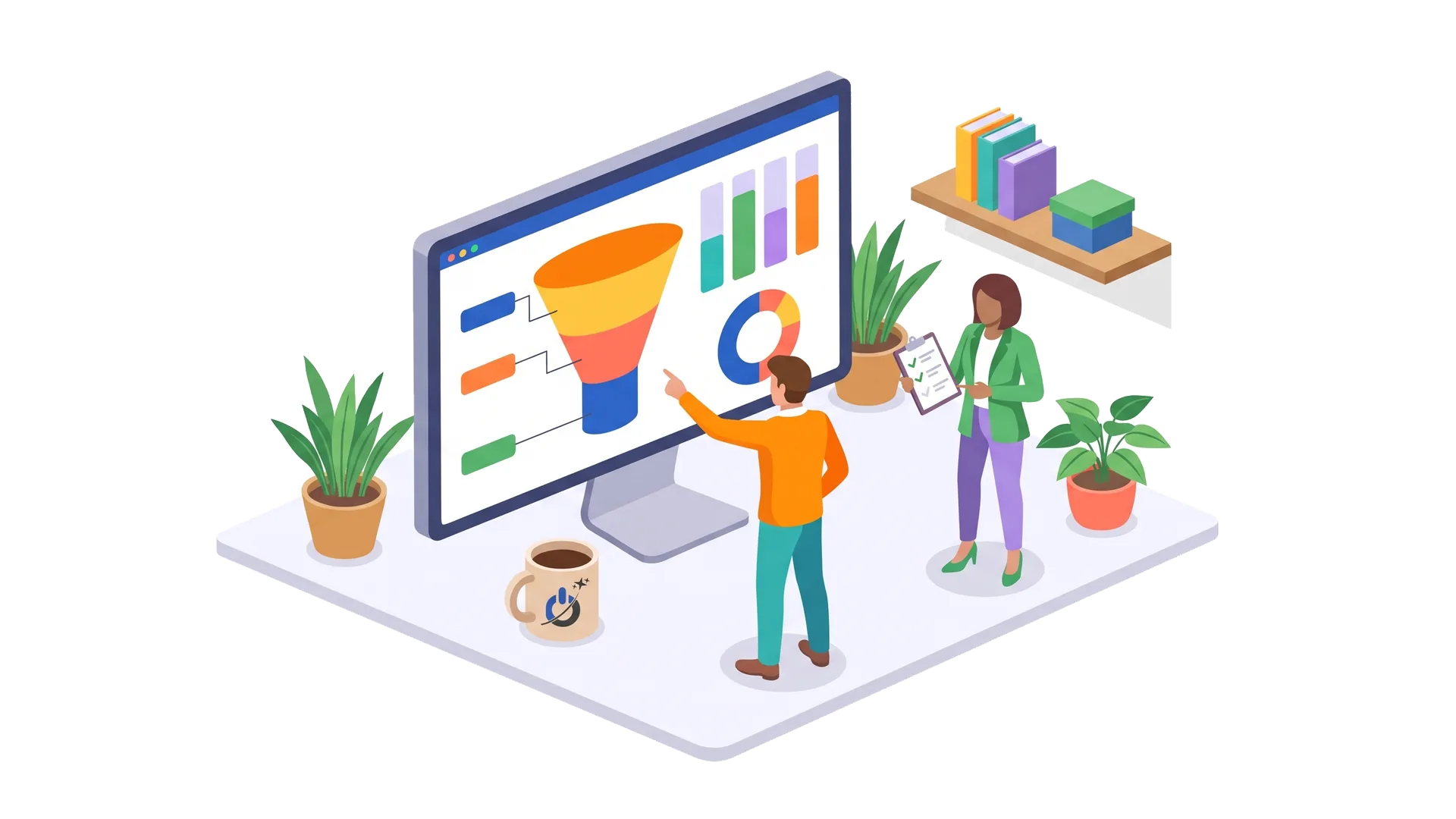
Not all visits are equal. A hundred visitors from a guest post in your industry can be worth more than a thousand from a poorly targeted ad. So measure conversions by channel: quote requests, sign-ups, sales.
Add UTM parameters to all your links (newsletter, posts, partners, QR codes) so that Google Analytics 4 credits each visit to the right source. To understand the trade-offs between channels, see also organic vs paid traffic.
Your non-SEO traffic plan
Tick the channels already in place to see where you stand.
In short
Driving traffic to your website without SEO is possible, and even advisable: advertising brings visitors straight away, email and social media build a loyal audience, and guest posts, partnerships and communities deliver qualified, lasting traffic. SEO remains the long-term foundation; the other channels make you less dependent on Google and speed up results. Start with two or three channels suited to your audience, measure, then adjust.
Frequently asked questions about driving website traffic
How can I drive traffic to my website without relying on Google?
Diversify your channels: social media, newsletter and email, YouTube video, paid advertising, partnerships, guest posts and online communities. An audience that follows you by email or on social media makes you less vulnerable to Google updates. SEO remains useful alongside them.
What is the fastest way to get website traffic?
Online advertising: Google Ads, Microsoft Ads or social ads bring visitors as soon as the campaign goes live. Sending a newsletter to an existing list is also immediate. Paid traffic stops when the budget does, though.
How can I get website traffic for free?
Social media, email, guest posts, partnerships, communities and video require no ad budget, only time and consistency. Pick two or three channels where your audience is and publish useful rather than promotional content.
What is the difference between organic, paid, social and direct traffic?
Organic traffic comes from unpaid search results, paid traffic from ads, social traffic from social networks and direct traffic from visitors who type your address or use a bookmark. Google Analytics 4 separates them in its acquisition reports.
Do guest posts still drive visitors?
Yes, when they are published on recognized sites close to your business, with content that is genuinely useful to their audience. They bring qualified traffic, awareness and links. Google penalizes guest posts mass-produced for links, however.
How do I measure the effectiveness of each traffic source?
Add UTM parameters to your links and compare conversions, engagement rate and value per channel in Google Analytics 4, not just the number of visits. A source that sends few visitors but many quote requests is worth more than a large, unengaged one.